
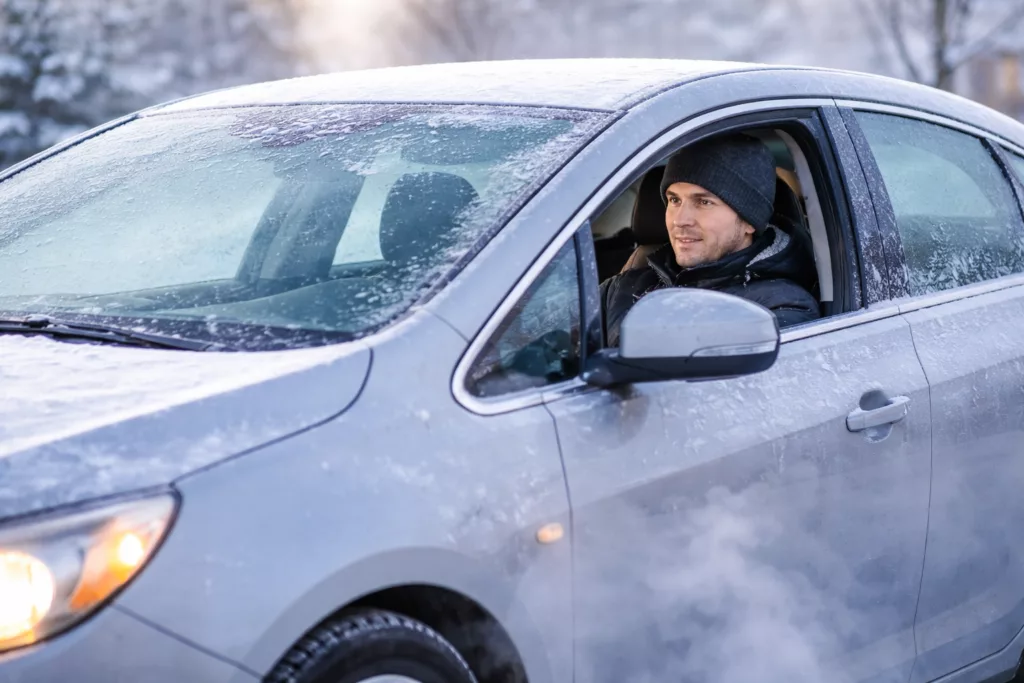
Ever been told to idle your car for 10 minutes on a freezing Calgary morning before driving? It’s a common piece of advice in cold climates. We’ve all heard that you should warm up your car in cold weather to protect the engine. But is this really necessary or just a long-standing myth? Let’s dig into the facts and fiction about warming up your car in winter.
The Old Warm-Up Myth (Where It Came From)
The idea of warming up your car comes from an earlier time in automotive history. Back when most cars had carburetor engines (pre-1990s), idling was indeed important. Carbureted engines needed time to heat up so they could mix fuel and air properly on cold starts. In that era, letting the car idle for several minutes prevented stalling and rough running. In other words, back then it made sense to warm up the car because the technology required it.
Fast forward to today, and cars have changed a lot. Modern vehicles use electronic fuel injection and computer sensors. These systems automatically adjust the fuel-air mixture based on temperature almost instantly. Your engine computer knows it’s cold and compensates right away. This means most modern cars are ready to drive shortly after you start them, even on a cold morning. The old rules about lengthy warm-ups don’t really apply anymore.
Why Modern Cars Don’t Need Long Idling
So, why can you generally skip the long idle warm-ups with a newer car? Here are a few reasons:
- Advanced Fuel Injection: Modern engines are fuel-injected and adjust on the fly, so they don’t sputter out in the cold. The engine gets the right mix of fuel immediately, and your car is essentially ready to go almost immediately after ignition.
- Quick Oil Circulation: Unlike older oils that thickened in the cold, today’s thinner synthetic oils flow very quickly even in low temperatures. Your engine is fully lubricated within seconds of starting. You don’t need to wait 10 minutes for the oil to warm up – it’s protecting your engine right away.
- Avoid Wasting Fuel: Letting your car idle for a long time is basically wasting gas and adding unnecessary pollution. You get zero miles per gallon when idling. In fact, idling for more than about 30 seconds uses more fuel than restarting your engine! Long warm-ups burn fuel you don’t need to burn and create extra exhaust emissions.
In short, modern cars are built to handle cold starts much better than older ones. The engine management system and oils do the job quickly. For most Calgary drivers with relatively new vehicles, there’s no benefit to idling for 10+ minutes before heading out.
The Downsides of Excessive Idling
Not only is an extended warm-up unnecessary, it can even be harmful in some ways:
- Engine Wear: When your engine is cold, it runs in a fuel-rich mode (using more gasoline). If you idle too long like this, some unburnt fuel can end up condensing on the cylinder walls. Over time, this fuel residue can wash away oil and cause extra wear on parts of the engine. Ironically, the thing people do to “protect” the engine could actually be wearing it out faster!
- Carbon Buildup: Long periods of idling can lead to carbon deposits in the engine and exhaust. Engines are designed to run at higher speeds and temperatures; when idling, they can’t burn off deposits efficiently. This buildup can hurt performance and mileage over time.
- Waste and Pollution: As mentioned, you’re getting 0 MPG when idling. For every minute you idle, you’re burning fuel needlessly. Over the winter, that adds up to wasted dollars on gas and more tailpipe emissions in our Calgary air. Some cities even have anti-idling rules because of pollution concerns.
- Risk of Theft: This isn’t about the engine itself, but it’s worth noting. Leaving your car running unattended (common during warm-ups) can attract thieves. Every winter, local police warn not to leave an idling car unlocked in the driveway – it’s an open invitation for someone to drive off with it.
How Long Should You Warm Up on Cold Mornings?
Here’s the good news: you don’t need to wait very long at all. For most modern fuel-injected cars, 30 seconds of idling is enough on a cold day. In that time, your oil has circulated and the engine is ready for gentle driving. In fact, your car actually warms up faster by driving it (at moderate speed) than by idling in the driveway.
The best approach on a cold Calgary morning is to start the car, let it run just long enough to get settled (about half a minute), and then begin driving calmly. Keep the RPMs low and avoid hard acceleration for the first few minutes. This way, the engine, transmission, and wheel bearings all warm up together as you drive. You’ll feel the heater start blowing hot air sooner too, since the engine warms up quicker under load than at idle.
Are There Any Exceptions?
In extremely cold conditions – think those deep-freeze Calgary days well below -20°C – you might let it idle a tiny bit longer, maybe 1-2 minutes at most. This can ensure things like your transmission fluid get a chance to move smoothly. Also, if your windshield is completely frosted over, you may need a couple of minutes of idling with the defrosters on for safety’s sake (though you can also scrape the ice while the car warms up). But even in these cases, you’re still nowhere near the old “10 minutes” rule. A minute or two is usually plenty before driving off carefully.
And of course, make sure your car is winter-ready. Using a block heater on extremely cold nights can make cold starts easier by pre-warming the engine coolant. Also, keep up with regular auto maintenance services – a well-maintained battery, proper oil, and a clean air filter will help your vehicle handle winter starts much better. Good maintenance means your car will start reliably and warm up efficiently without needing long idle times.
Conclusion: Warming Up – Fact or Fiction?
For modern vehicles, the idea that you must idle for 10+ minutes on a cold winter morning is mostly fiction. While it feels nice to sit in a toasty car, the mechanical necessity just isn’t there anymore.
Fact: Your car typically needs less than a minute before it’s ready to roll in winter. Prolonged idling is largely a waste of fuel and can even do more harm than good in the long run.
So the next time Calgary’s temperature plummets and you’re wondering if you should wait and warm up the car, remember this advice. Save yourself time and gas – after about 30 seconds, gently drive away and let your vehicle warm itself as you get moving. Your engine (and your wallet) will thank you, and you’ll still stay perfectly safe.
Need winter car care or have questions about your vehicle’s cold-weather performance? Feel free to contact us. We’re here to help you stay safe and keep your car running its best, no matter how cold it gets outside!
Call Rite-Price Today: 403-243-4204